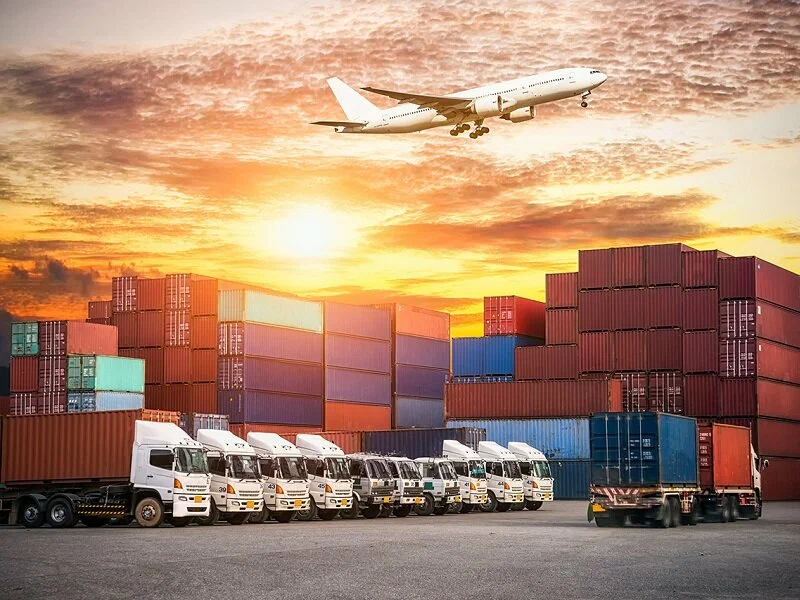
Global supply chains in 2026 are more complex and interconnected than at any point in history. Businesses operate across multiple countries, time zones, and regulatory frameworks, while customer expectations continue to rise for faster deliveries, real-time visibility, and cost efficiency. At the same time, disruptions such as port congestion, capacity fluctuations, geopolitical tensions, and regulatory changes have made logistics planning increasingly challenging. In this environment, freight forwarding has evolved into a mission-critical service that ensures continuity and stability across supply chains.
Freight forwarders act as strategic coordinators, bringing together carriers, customs authorities, warehouse operators, and transport providers under a single, organized framework. By leveraging global networks and local market expertise, they design efficient routing strategies, select the most suitable transportation modes, and manage end-to-end shipment execution. This coordination minimizes transit delays, reduces operational risk, and ensures that goods move smoothly from origin to destination, even in volatile market conditions.
One of the most important contributions of freight forwarding today is supply chain resilience. When disruptions occur—such as flight cancellations, port delays, or regulatory changes—freight forwarders respond quickly by identifying alternative routes, switching carriers, or adjusting shipment schedules. Their ability to adapt in real time helps businesses maintain continuity, protect customer commitments, and avoid costly downtime. In an era where supply chain reliability directly impacts brand reputation, this agility has become invaluable.
Cost management is another area where freight forwarding delivers significant value. Through cargo consolidation, optimized routing, and carrier negotiations, forwarders help businesses control logistics expenses without compromising service quality. In markets like the UAE, where trade volumes are high and competition is intense, effective freight forwarding can make a measurable difference to profitability. Transparent pricing, accurate documentation, and compliance-driven processes further reduce the risk of unexpected costs and penalties.
Technology has also transformed the role of freight forwarders in modern supply chains. Digital platforms, real-time tracking systems, and data-driven decision tools now provide greater visibility and control over shipments. Shippers can monitor cargo status, anticipate delays, and make informed decisions faster than ever before. In 2026, freight forwarding is increasingly defined by its ability to combine human expertise with digital intelligence to deliver smarter logistics solutions.
Ultimately, freight forwarding matters more than ever because it enables businesses to operate with confidence in a complex global trade environment. By simplifying logistics, managing risk, and enhancing efficiency, freight forwarders empower companies to focus on growth, innovation, and customer satisfaction. As supply chains continue to evolve, freight forwarding will remain a cornerstone of successful international trade.