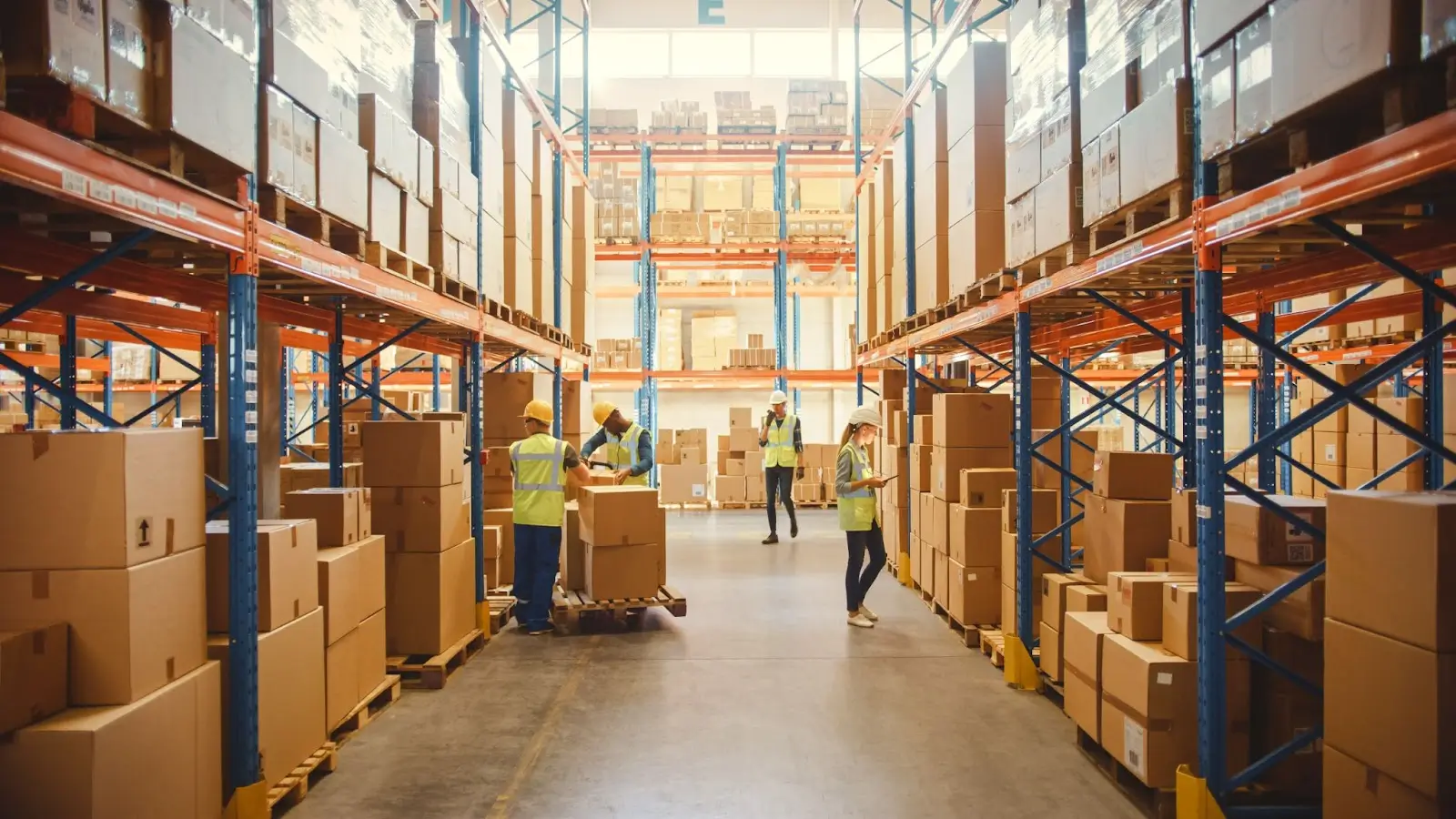
Warehousing has transformed from a basic storage function into a strategic pillar of modern supply chains. In today’s fast-moving logistics environment, warehouses play a critical role in ensuring inventory availability, order accuracy, and distribution speed. Businesses now depend on well-positioned and professionally managed warehouses to support global trade, regional distribution, and last-mile delivery operations. In logistics hubs such as the UAE, warehousing has become a key enabler of supply chain efficiency, helping companies respond quickly to market demands while maintaining cost control.
Modern warehousing services extend far beyond storage. They include inventory management, order fulfillment, labeling, palletization, cross-docking, and value-added services tailored to specific industry needs. With the rise of e-commerce, retail, and just-in-time manufacturing, warehouses are increasingly designed to function as fulfillment and distribution centers. This shift allows businesses to shorten delivery timelines, reduce transportation costs, and improve customer satisfaction by positioning inventory closer to end markets.
Technology is reshaping warehouse operations in 2026. Warehouse Management Systems (WMS), barcode scanning, automation, and real-time inventory tracking provide greater accuracy and visibility across the supply chain. These tools reduce manual errors, optimize space utilization, and improve labor productivity. For shippers and freight forwarders, integrated warehouse systems enable smoother coordination between inbound and outbound cargo, ensuring faster turnaround times and better control over inventory flow.
Specialized warehousing solutions have also gained importance. Temperature-controlled facilities support pharmaceuticals, food products, and perishables, while bonded warehouses allow businesses to defer customs duties and manage cash flow more effectively. Free zone warehouses in the UAE offer additional advantages such as simplified regulations, flexible licensing, and easy access to air and sea ports. These facilities help businesses operate efficiently within complex international trade frameworks.
In an era of supply chain uncertainty, warehousing plays a crucial role in building resilience. Strategic stockholding, buffer inventory, and flexible storage options allow businesses to absorb disruptions caused by transportation delays or demand fluctuations. By aligning warehousing strategies with freight forwarding and distribution planning, companies can create more agile, responsive, and reliable supply chains.