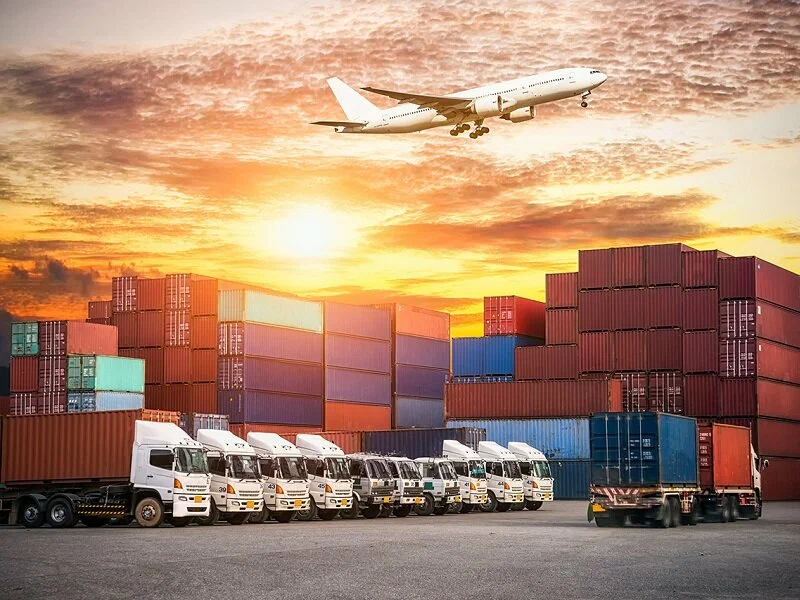

Road transport remains the lifeblood of trade and logistics in the Gulf Cooperation Council (GCC), connecting the UAE, Saudi Arabia, Oman, Kuwait, Bahrain, and Qatar with unmatched efficiency. In 2026, the GCC’s strategic highways and cross-border corridors have transformed the region into a well-integrated logistics network, enabling seamless movement of goods for businesses of all sizes—from SMEs to global corporations.
1. Regional Connectivity and Infrastructure
The GCC boasts one of the most advanced road networks in the Middle East, linking ports, airports, industrial zones, and urban centers. Modern highways, border facilities, and smart road systems allow freight to move quickly and reliably across countries. The UAE, in particular, acts as a central hub, connecting sea and air freight corridors to neighboring GCC markets, ensuring that goods reach their destinations efficiently and cost-effectively.
2. Cross-Border Freight Services
Cross-border road transport in the GCC is essential for trade flows between member countries. Freight services manage customs clearance, regulatory compliance, and route optimization, minimizing delays at borders while ensuring safe delivery. Advanced tracking systems and digital documentation platforms have made cross-border shipments faster and more transparent, allowing companies to plan inventory and deliveries with confidence.
3. Specialized Road Transport
In addition to standard freight, the GCC road network supports specialized cargo. Temperature-sensitive goods, industrial machinery, and oversized equipment are transported with specialized vehicles and logistics expertise. Companies increasingly rely on dedicated fleets equipped with GPS tracking, climate control, and security monitoring, ensuring cargo integrity even over long distances.
4. Integration with Multimodal Logistics
Road transport in the GCC is no longer isolated—it is a critical link in multimodal supply chains. Ports, airports, and rail terminals are connected to road networks, allowing freight forwarders and logistics providers to design optimized routes that combine sea, air, and land transport. This integration reduces transit times, lowers costs, and provides businesses with end-to-end visibility for their shipments.
5. Technology and Efficiency in Road Freight
Digitalization is reshaping road transport in the GCC. Real-time vehicle tracking, route planning software, electronic customs documentation, and automated fleet management systems improve operational efficiency and reduce risks. Logistics providers can now respond dynamically to traffic conditions, weather disruptions, or border delays, maintaining reliability across the supply chain.
In 2026, road transport in the GCC is more than just a mode of delivery—it is a strategic enabler of trade and economic growth. By connecting ports, airports, industrial hubs, and consumer markets, GCC road networks facilitate seamless regional commerce, support cross-border trade, and integrate with global logistics corridors. Businesses that leverage efficient and specialized road transport services can ensure faster deliveries, better cost management, and resilient supply chains across the Gulf region.